DIGI-HEALTH MONITOR Calendar Week 41, 2025
DIGI-HEALTH MONITOR: Calendar Week 41, 2025
AI designs for dangerous DNA can slip past biosecurity measures, study shows
A study in Science, reported October 2, 2025, reveals AI can generate DNA sequences for toxic proteins, evading biosecurity screens. Over 75,000 variants bypassed detection, raising concerns about bioterrorism risks despite medical benefits like faster drug discovery. Screening updates caught most variants, but gaps remain. This dual-use challenge underscores the need for enhanced biosecurity to balance AI’s healthcare advancements with safety, impacting global regulatory frameworks.
Patients Want New Tech in Doctor Visits, New Survey Reveals
A survey of 2,000 Americans, reported October 2, 2025, reveals 66% believe digital tools like automated reminders and online scheduling enhance care. Patients trust tech-forward practices, with 45% expecting instant test results and 39% anticipating biometric check-ins. However, distrust in AI and government data handling persists. This shift in expectations pressures providers to adopt digital solutions while navigating trust barriers, shaping future healthcare delivery models.
FDA Seeks Input on Evaluating AI-Enabled Medical Devices, Focusing on Performance Drift
The U.S. Food and Drug Administration’s push for continuous, life-cycle evaluation of AI-enabled medical devices marks a pivotal shift in regulatory strategy. Announced on October 6, 2025, the FDA’s discussion paper targets “performance drift,” where AI devices lose reliability post-deployment due to evolving clinical or demographic factors. With a tenfold surge in AI submissions since 2020, this initiative underscores the inadequacy of static testing for dynamic, self-learning systems. It mandates robust Machine Learning Operations (MLOps) for real-time monitoring and documentation, positioning AI governance as a commercial necessity. The move signals a global trend toward stricter oversight, potentially reshaping device development and market entry. By addressing real-world risks, the FDA fosters trust in AI tools, ensuring safer integration into healthcare systems while driving innovation in compliance technology.
AI Reality Check: How Bad Data Is Undermining AI Implementations in Healthcare
This analysis highlights how poor data quality undermines AI in healthcare, with only 30% of pilots scaling to production. Incomplete records and inconsistent formats lead to unreliable predictions, risking patient safety. Success requires robust data governance and interoperable infrastructure, not just advanced algorithms. Organizations prioritizing these foundations gain a strategic edge, enabling trustworthy AI deployment. This shift in focus from models to data pipelines is critical for realizing AI’s transformative potential in clinical settings.
AstraZeneca Signs Up to $555 Million AI Deal with Algen to Develop Gene Therapies
AstraZeneca’s $555 million partnership with Algen Biotechnologies, announced on October 6, 2025, leverages AI to revolutionize gene therapy development. Algen’s platform uses predictive modeling and advanced analytics to identify therapeutic targets, addressing inefficiencies in traditional R&D. This collaboration highlights the pharmaceutical industry’s shift toward AI-driven solutions for rare and complex diseases, promising faster, more precise drug pipelines. The deal’s scale reflects confidence in AI’s transformative potential, with implications for personalized medicine, regulatory frameworks, and market dynamics. By integrating AI as a core pillar, AstraZeneca sets a precedent for data-powered medical breakthroughs, potentially reshaping healthcare delivery and innovation strategies globally
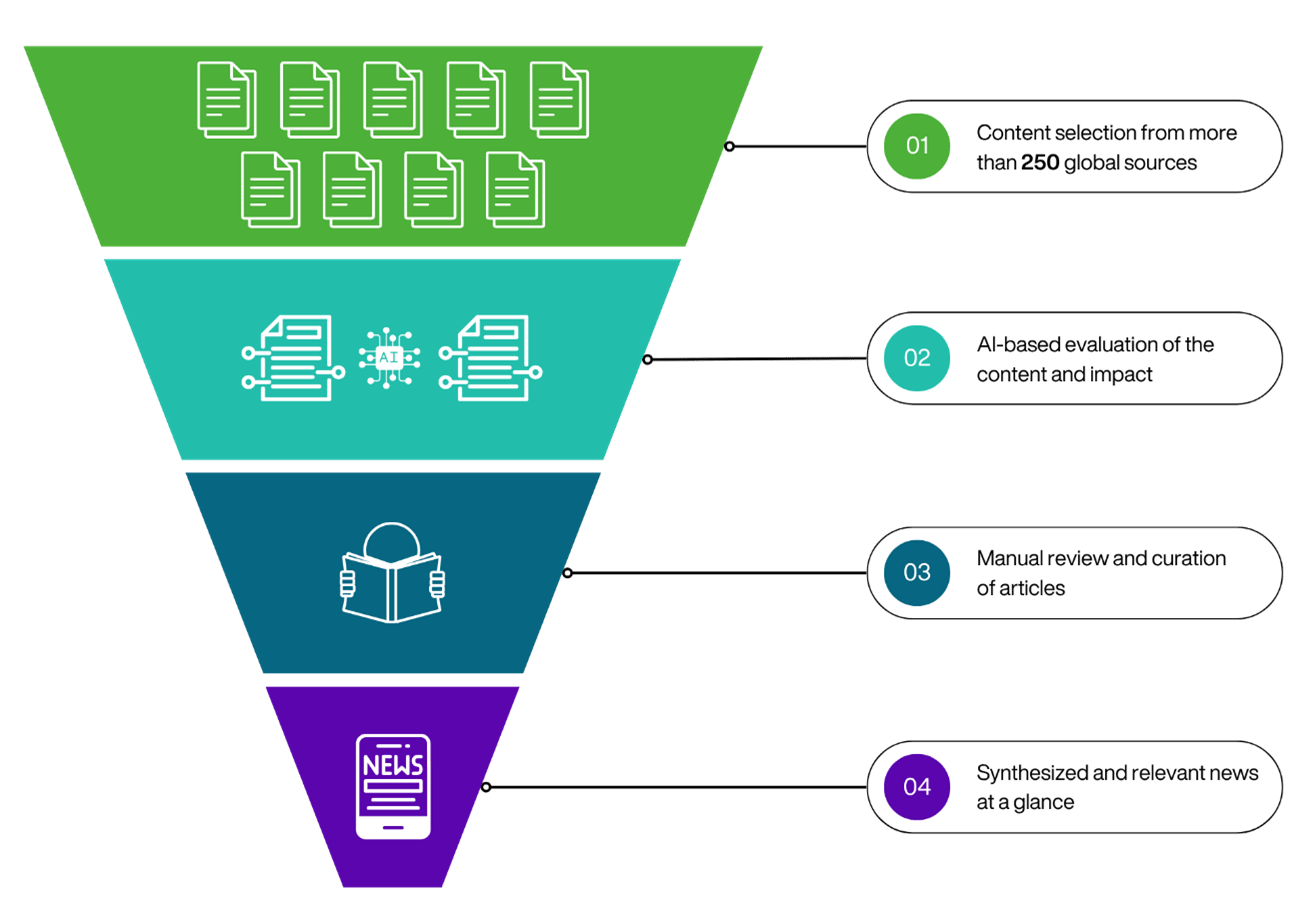
The Global Digi-Health Monitor is our weekly published newsletter featuring curated updates on the latest developments in digital health. With a focus on innovation and relevance, it brings together key news across topics such as AI in healthcare, wearables, telemedicine, cybersecurity, and more.
Our process is designed to be both scalable and selective. A broad network of over 250 global sources is continuously screened using six different AI tools. These tools help surface relevant content, which is then passed through a multi-step filtering and evaluation process that emphasizes innovation and impact.
In the final stage, selected articles are reviewed and curated by our team before being published. The result is a dynamic, well-structured view of what truly matters in the digital health ecosystem. This way you always stay ahead of the curve.