DIGI-HEALTH MONITOR Calendar Week 23, 2025
DIGI-HEALTH MONITOR: Calendar Week 23, 2025
World’s First AI-Discovered Drug Reaches Phase 2a Clinical Trial
Researchers from Peking Union Medical College Hospital and Insilico Medicine have achieved a pharmaceutical milestone by advancing Rentosertib, the world’s fastest AI-discovered drug, into phase 2a clinical trials for idiopathic pulmonary fibrosis (IPF). Published in Nature Medicine, the trial data shows promising safety and efficacy for this small-molecule treatment targeting TNIK—a novel therapeutic site identified through artificial intelligence. IPF affects 5 million people globally with a median survival of just 3-4 years, and existing treatments only slow progression without halting the disease. AI accelerated the discovery process by pinpointing previously overlooked drug targets, eliminating traditional trial-and-error approaches. While AI has long promised to revolutionize drug development through compound screening and clinical trial optimization, Rentosertib marks the first AI-discovered drug to progress beyond phase 1 trials. The breakthrough demonstrates AI’s tangible impact on pharmaceutical innovation, though challenges remain including limited high-quality data access, computational costs, and regulatory framework gaps. China’s medical AI market is projected to reach $13.4 billion by 2026 with over 40% annual growth, positioning the country at the forefront of AI-driven healthcare advancement.
AI Transforms Healthcare Through Predictive Diagnostics and Personalized Treatment Plans
Artificial intelligence is revolutionizing healthcare by accelerating diagnoses, personalizing treatments, and shifting medicine from reactive to predictive care. AI models trained on thousands of medical scans now detect tumors, fractures, and anomalies that human eyes might miss, while also predicting diseases before symptoms appear through pattern analysis of blood work and genetic data. The technology enables custom-fitted treatment plans by analyzing patient biology, history, and lifestyle—moving beyond one-size-fits-all approaches to precision medicine tailored for individual patients. However, this transformation raises critical ethical questions about accountability when AI provides wrong diagnoses, bias in training datasets, and trust in machine-recommended treatments. Healthcare leaders are addressing these concerns through ethics boards, transparency requirements, and cross-disciplinary oversight teams. Despite valid concerns, hospitals report better outcomes, faster service, and more time for human interaction as AI handles administrative workflows and documentation. The technology won’t replace doctors but makes the smartest ones even smarter, offering data-powered insights that enhance human decision-making in life-saving situations.
Baby KJ Becomes First Patient Cured with Personalized CRISPR Gene Editing Therapy
Ten-month-old KJ Muldoon made medical history by becoming the first patient successfully treated with personalized CRISPR gene editing therapy, going home after 307 days at Children’s Hospital of Philadelphia (CHOP). Born with severe carbamoyl phosphate synthetase 1 (CPS1) deficiency—a rare genetic disorder causing toxic ammonia buildup that typically leads to neurological damage or death—KJ was too young for the standard liver transplant treatment. Researchers led by Dr. Kiran Musunuru developed a bespoke base editing therapy targeting KJ’s specific CPS1 gene mutations, delivered via lipid nanoparticles when he was 7 and 8 months old. The unprecedented collaboration between CHOP, University of Pennsylvania, the Innovative Genomics Institute, and Danaher Corporation compressed the typical years-long drug development process into six months, with FDA approval granted within a week. Seven weeks after treatment, KJ showed remarkable improvement: tolerating higher protein intake, requiring fewer medications, and achieving developmental milestones like sitting upright. This breakthrough demonstrates the potential for rapid, personalized gene editing to treat thousands of rare diseases through platform technologies that standardize components while customizing treatments. The success establishes a new paradigm for N-of-1 therapies, with researchers now working toward creating robust gene editing platforms that could make such treatments standard care for metabolic disorders rather than heroic medical efforts.
Largest International Digital Phenotyping Study Tracks Psychosis Risk Through Smartphone Data
The Accelerating Medicines Partnership® Schizophrenia (AMP SCZ) program has launched the world’s largest international digital phenotyping study to predict psychosis transition in clinical high-risk individuals using smartphone technology and wearable devices. The two-year observational study across 43 global sites employs the mindLAMP platform to collect both active data (daily 30-item surveys and voice diaries) and passive data (GPS location, accelerometer movement, and screen activity) from participants’ smartphones, complemented by Axivity wristwatch actigraphy for comprehensive sleep and activity monitoring. The study addresses critical gaps in psychosis research by capturing dynamic behavioral changes that occur over hours and days rather than traditional assessments separated by weeks or months, potentially improving individual-level risk prediction beyond the current 25-33% transition rate statistics. Key innovations include offering the app in eight languages, providing three data-sharing configurations based on participant privacy preferences, and implementing robust engagement strategies including monthly check-ins and real-time data feedback to participants. The open-source approach using mindLAMP ensures reproducibility—addressing a major challenge where over 50% of previous digital phenotyping apps are no longer available for replication. By combining smartphone-derived behavioral markers with clinical, cognitive, neuroimaging, and biomarker data, AMP SCZ aims to develop personalized prediction tools and accelerate preventative treatment development for psychosis, representing a paradigm shift toward precision psychiatry through continuous, ecologically valid monitoring of at-risk individuals in their natural environments.
Healthcare Practices Still Rely on Paper Checks Despite Digital Payment Pressure
Forty-two percent of small healthcare practices sent paper checks within the past year, highlighting the industry’s struggle to modernize payment systems despite mounting competitive and financial pressures. A PYMNTS survey reveals that 67% of healthcare payer executives report manual payment platforms reduce efficiency, while 74% say these systems increase exposure to regulatory fines and penalties. The healthcare sector’s digital payment lag contrasts sharply with other industries, creating urgent modernization needs as the global healthcare digital payments market is projected to grow at 19% annually through 2030. Manual payment methods introduce operational challenges including processing errors, delayed reconciliations, recordkeeping issues, increased administrative burden, and security risks that lead to higher costs and cash flow problems for providers. The modernization gap has real consequences: 24% of U.S. consumers would consider switching healthcare providers if they couldn’t pay using their preferred method. Digital payment adoption offers significant benefits including improved cash flow, reduced risk, streamlined operations, enhanced patient satisfaction, and better integration with electronic health record systems. However, barriers persist around perceived cybersecurity risks, implementation costs, and system maintenance concerns. Healthcare providers are encouraged to address these challenges through transparent cybersecurity discussions and partnerships with trusted payment providers offering industry-specific solutions, as payment modernization becomes essential for sustainable success in an increasingly competitive healthcare landscape.
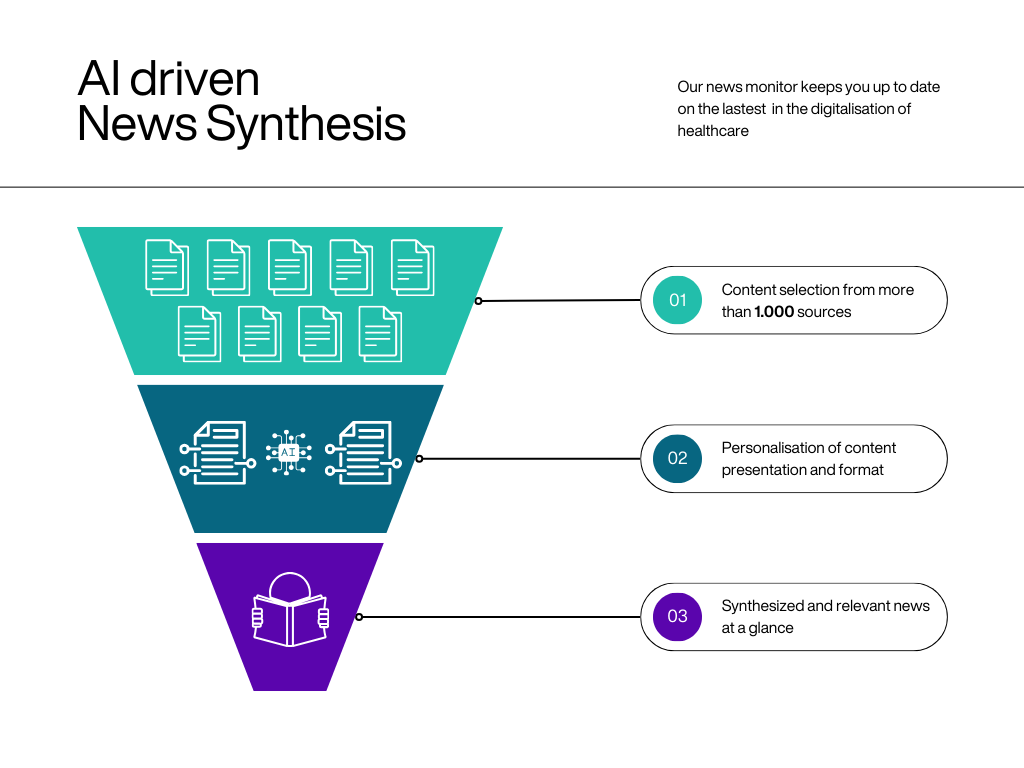
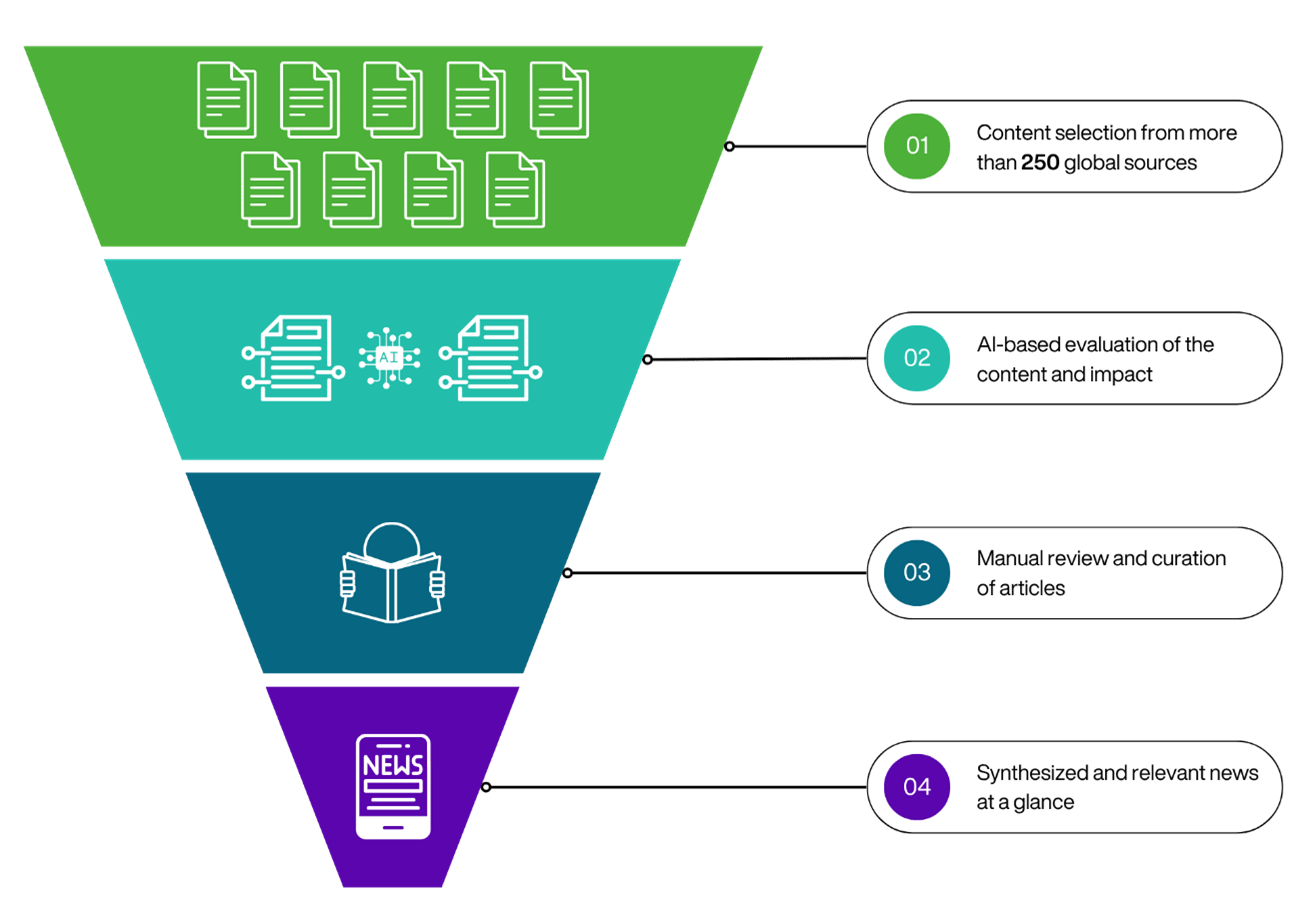
In collaboration with ATLAS Alumni Dr. Jonathan Koß and his innovative start-up, MultiplyContent, we are combining state-of-the-art AI with human oversight, to deliver tailored, engaging, and relevant news from across the globe. Expect highly curated news on everything digital in the global healthcare economy, sourced from over 1,000 articles each week. The AI-driven personalized content engine from Newsbutler gathers, prioritizes, and synthesizes the most important news based on our keyword parameters. Our team then reviews and further curates these results to bring you the most relevant and exciting updates each week.