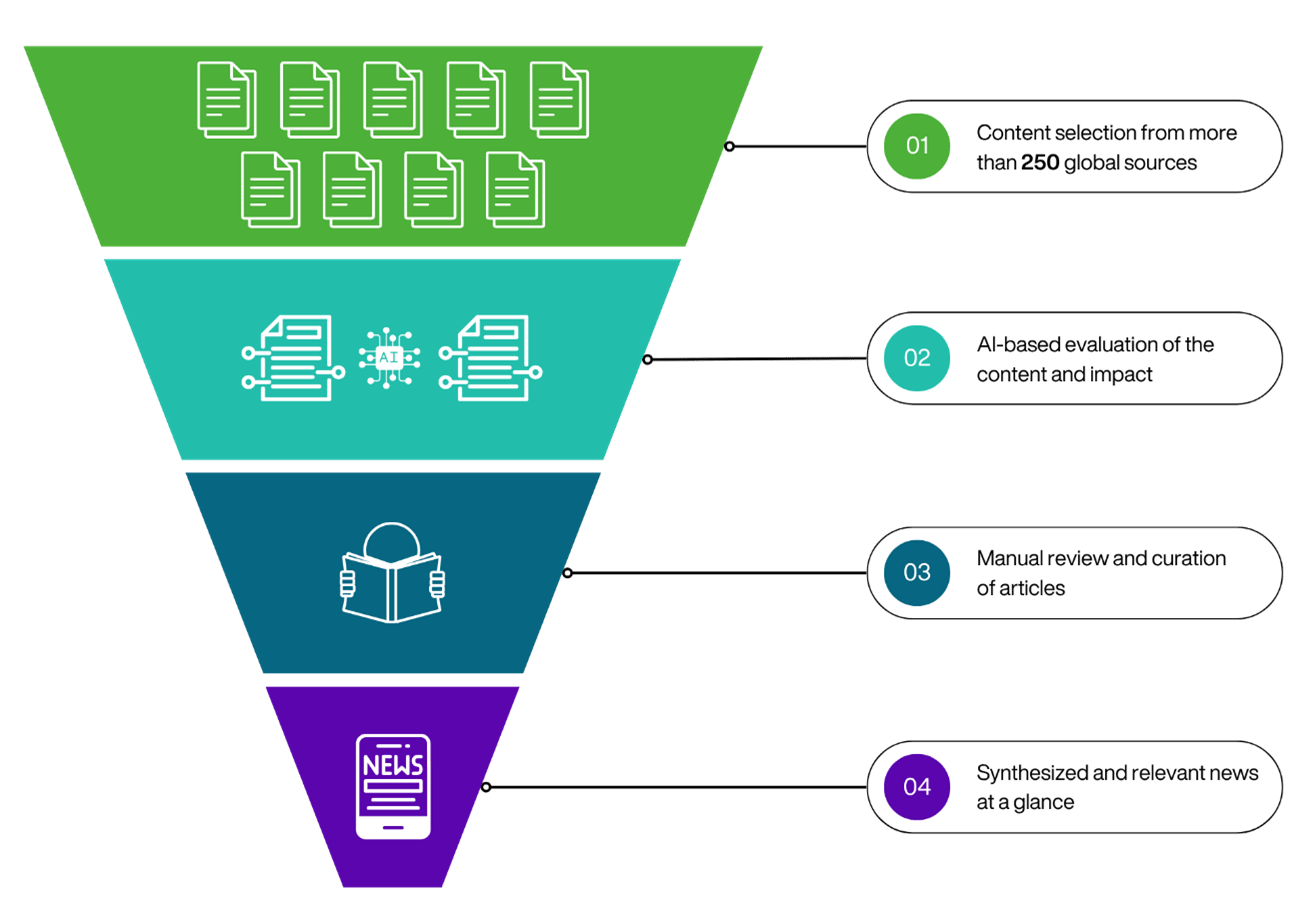
Global Digi-Health Monitor: Calendar Week 10, 2025
AI in Ophthalmology: Promise and Challenges
Artificial intelligence is transforming ophthalmology by enhancing diagnostic accuracy and treatment efficiency across multiple eye conditions. AI algorithms demonstrate high accuracy in detecting retinal diseases, predicting glaucoma progression, improving cataract surgery outcomes, and assisting with corneal disease management—particularly valuable for screening underserved populations. However, AI’s “black box” nature raises significant concerns about accountability, potential bias, and patient trust. To address these challenges, experts recommend developing explainable AI systems, implementing rigorous cross-institutional validation, establishing continuous monitoring protocols, and creating clear ethical guidelines. The International AI in Ophthalmology Society, now 1,400 members strong, emphasizes that ophthalmologists should engage critically with AI tools rather than fear them, integrating these technologies thoughtfully to improve patient care while recognizing their limitations.
AI System Detects Subtle Changes in Medical Image Series
Researchers at Weill Cornell Medicine have developed LILAC (Learning-based Inference of Longitudinal imAge Changes), a flexible machine learning system that accurately analyzes time-series medical images without extensive customization or pre-processing. Unlike traditional methods requiring domain-specific adjustments, LILAC automatically detects relevant changes across diverse imaging contexts, achieving 99% accuracy in ordering embryo development images and significantly outperforming baseline methods when predicting cognitive scores from brain MRIs of patients with mild cognitive impairment. The system’s key advantage lies in its ability to highlight the most relevant image features driving change detection, providing potential clinical and scientific insights particularly valuable for processes with limited prior knowledge or high individual variability. This versatility makes LILAC applicable “off-the-shelf” to virtually any longitudinal imaging dataset, with researchers now planning to demonstrate its real-world effectiveness in predicting treatment responses from prostate cancer MRI scans.
Real-Time Feedback: The Missing Link in AI-Driven Healthcare Devices
Researchers from Dresden University and Oxford University propose integrating mandatory feedback mechanisms directly into AI-enabled Digital Health Technologies (DHTs) to address critical safety gaps in current regulatory frameworks. Unlike traditional medical devices, most DHTs are classified as low-risk and enter the market without human trials, making post-market surveillance essential yet currently inadequate. The proposed two-part system would collect user feedback through device interfaces and link it to transparent national platforms, creating accountability while enabling early detection of potential issues before they become serious adverse events. This approach offers multiple benefits: amplifying patient and clinician voices, reducing administrative burdens, improving usability through positive feedback, and potentially integrating with electronic health records for more personalized care. While technically feasible, implementation faces resistance from manufacturers concerned about transparency, though proponents argue that regulatory incentives—such as making feedback systems a reimbursement requirement—could overcome these barriers without necessarily changing fundamental legislation like the EU’s Medical Device Regulation.
NYU Langone Implements Amazon One Palm Scanning for Healthcare Check-Ins
NYU Langone Health is revolutionizing patient check-in by implementing Amazon One palm recognition technology across its facilities—marking the largest third-party deployment and first healthcare application of this biometric system. The AWS-powered technology, which offers 99.9999% accuracy and sub-second recognition time, allows patients to authenticate their identity with a simple palm hover, eliminating the need for traditional identification methods and reducing wait times. Integration with Epic electronic health records creates a seamless experience while maintaining strict security protocols: palm data is immediately encrypted and stored in secure AWS Cloud environments, not on devices; Amazon One doesn’t access health records; and the service is optional, with patients retaining control over their data, including the right to delete it. This innovation addresses both convenience and privacy concerns—palm recognition requires intentional gestures and creates unique palm signatures that can’t identify individuals from images alone—while potentially opening doors for additional healthcare applications like secure access to shared computer systems and restricted areas.
Telemedicine: Healthcare’s New Normal
Telemedicine has evolved from a pandemic necessity to a transformative force in healthcare delivery, addressing three critical industry challenges simultaneously. First, it dramatically improves access for underserved populations by connecting patients in rural areas with specialists who would otherwise be inaccessible, facilitating crucial early interventions for chronic disease management and mental health services. Second, it generates significant cost savings by reducing overhead for providers (fewer no-shows, streamlined operations, decreased facility requirements) while eliminating hidden expenses for patients (travel costs, childcare, lost wages). Third, despite its growing adoption, telemedicine faces ongoing challenges including patient privacy concerns, data security vulnerabilities, and inconsistent regulatory frameworks that vary across jurisdictions—issues that require robust HIPAA-compliant systems, standardized policies, and continued technological innovation to resolve as virtual care, AI-driven diagnostics, and remote monitoring become essential components of a more efficient, accessible healthcare ecosystem rather than optional supplements.