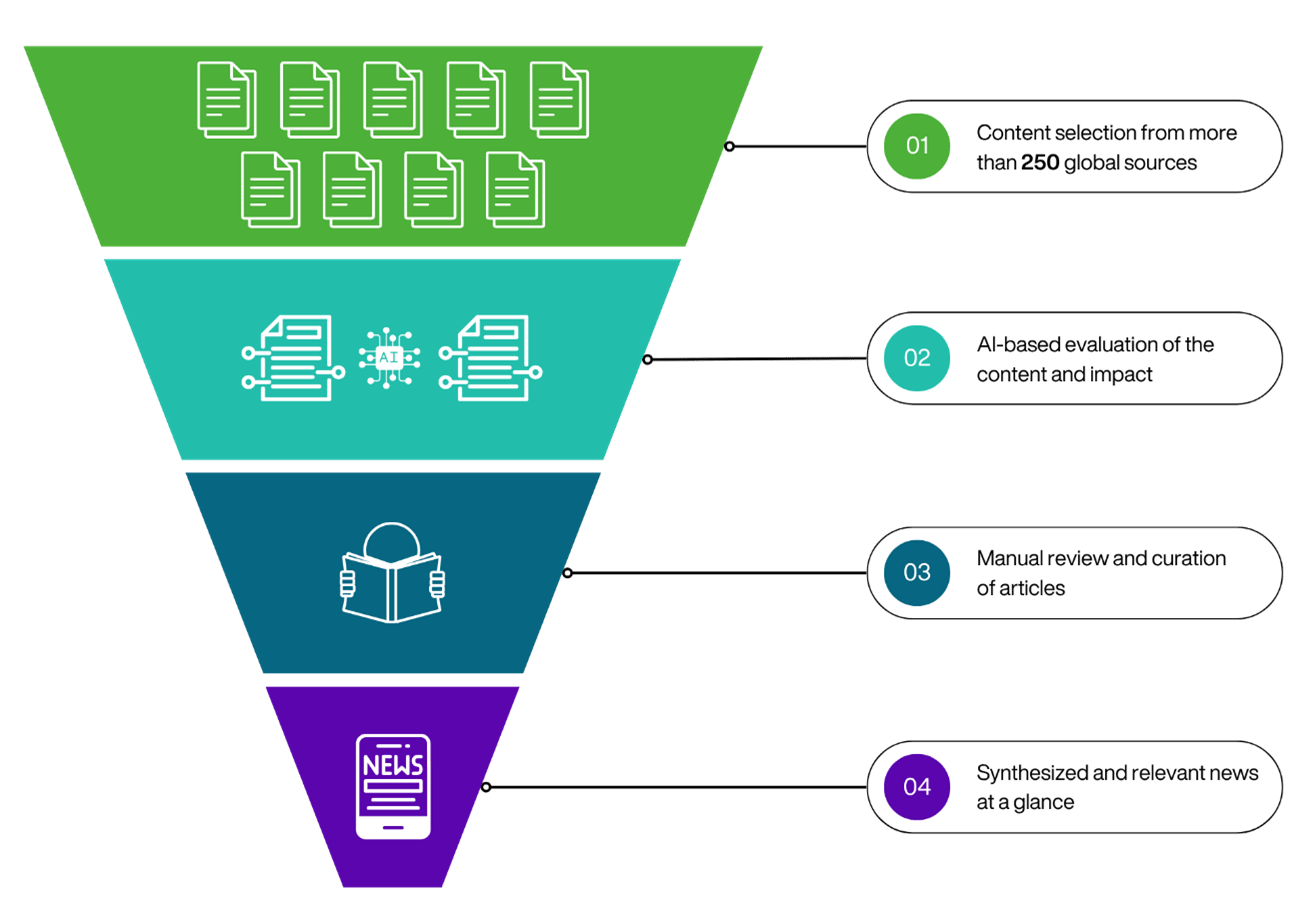
Global Digi-Health Monitor: Calendar Week 20, 2025
EU Sets 2028 Strategy to Harness Data and AI for Public and Animal Health
The European Medicines Agency (EMA) and the Heads of Medicines Agencies (HMA) have released a joint workplan outlining how the EU will leverage vast health data and AI through 2028 to accelerate medicine development, regulatory decision-making, and public health outcomes. The plan focuses on secure, ethical data management, interoperability, and advanced analytics—integrating real-world evidence, clinical trial data, and novel sources like genomics and digital twins. Key initiatives include expanding the DARWIN EU® network, piloting individual patient data access, developing AI guidance for clinical and pharmacovigilance use, and providing training and frameworks for responsible AI adoption across the medicines lifecycle. The strategy aims to harmonize data governance, strengthen analytics, and ensure safe, impactful innovation throughout Europe’s healthcare system.
UK’s Foresight AI Trained on 57 Million Health Records to Predict Disease
The UK’s NHS has developed Foresight, a generative AI model trained on anonymized health data from 57 million people—nearly the entire population of England—to predict disease, forecast hospitalizations, and enable a shift toward preventative healthcare. Built on Meta’s LLaMA 2 model and trained with 10 billion medical data points, Foresight analyzes five years of health events to identify at-risk patients and suggest early interventions. While the pilot focuses on COVID-19, researchers aim to expand its use to over 1.000 conditions. Despite strict data security and de-identification, experts warn that true anonymity is difficult at this scale, raising unresolved privacy and ethical concerns. The project’s future impact hinges on both technical performance and public trust.
Mount Sinai Becomes First U.S. Medical School to Fully Integrate AI in Training
The Icahn School of Medicine at Mount Sinai in New York City is the first U.S. medical school to fully integrate artificial intelligence into its curriculum, providing all M.D. and graduate students access to OpenAI’s ChatGPT Edu. Students use the AI for surgical preparation, improving patient communication, and research support, benefiting from real-time, HIPAA-compliant assistance. Faculty report that AI tools enhance mentorship, efficiency, and innovation, while OpenAI and the school emphasize robust privacy safeguards. Both students and professors agree that learning to work with AI is essential for the future of medicine, viewing the technology as a transformative force rather than a threat.
OpenAI and FDA Discuss Using AI to Accelerate Drug Evaluation
The FDA is in ongoing talks with OpenAI about leveraging AI—including a project called cderGPT—to streamline drug evaluation and approval, aiming to reduce the lengthy timelines that new drugs face. While the FDA has already used AI for parts of scientific review, these discussions mark a step toward deeper integration, with OpenAI’s team and new FDA AI officers leading the effort. Experts highlight the promise of automating tasks such as application checks and data analysis, but stress the need for strict policy guidance on training data, model reliability, and regulatory standards. The initiative is still early, with no contracts signed, but reflects a broader push to modernize drug regulation using AI—balancing efficiency gains with patient safety and trust.
Telemedicine and Digital Tools Transform Obstructive Sleep Apnea Care
Telemedicine is increasingly used to manage obstructive sleep apnea (OSA), integrating video consultations, remote monitoring platforms, and wearable devices to improve diagnosis, treatment, and patient compliance. Clinical video telehealth enables remote consultations and follow-ups, with studies showing comparable or better CPAP adherence and patient knowledge versus in-person care. Digital platforms allow patients to self-manage OSA, track therapy data, and receive education and psychological support. Wearable and wireless devices enable home sleep apnea testing and real-time data sharing with physicians, enhancing continuity of care. However, challenges remain, especially for older patients, including technology barriers, trust issues, and concerns about data privacy and insurance coverage. Ongoing research is needed to improve telemedicine’s accessibility, safety, and effectiveness for OSA management.