Practical AI Solutions for Everyday Hospital Operations
Practical AI Solutions for Everyday Hospital Operations
NRW leads the way with innovative care concepts
Artificial intelligence (AI) is increasingly revolutionizing hospital treatment, offering the potential to improve both efficiency and the quality of patient care. By utilizing AI-supported technologies and algorithms, medical professionals can make more precise diagnoses in less time, leading to quicker treatment decisions. Additionally, AI solutions enable personalized medicine by analyzing vast amounts of patient data and deriving individualized therapy recommendations. In this context, we spoke with three AI experts who shared their insights and perspectives on the future of AI at the ATLAS conference.
Andrea Schmidt-Rumposch has been the Director of Nursing and a board member at University Medicine Essen since 2017. She focuses on developing care structures that serve the people for and with whom she works. One of her key topics is the transformation toward innovative nursing care that integrates digital tools and artificial intelligence. Hendrik Ohlms works as Senior Business Development Manager at Compugroup Medical (CGM). He is an expert in patient-centered IT solutions in healthcare and is heavily involved in the further development of CGM’s platform. Dario Antweiler is a team leader at the Fraunhofer IAIS, overseeing the Healthcare Analytics division, where he manages projects in hospital digitization and AI in pharmacology. The technologies employed include natural language processing (NLP) methods, such as large language models (LLMs). His other focus areas include the use of trustworthy AI and the AI-readiness of organizations, with a research focus on machine learning and visual analytics in healthcare.
What excites you about AI solutions?
Andrea Schmidt-Rumposch: Digital tools or AI solutions provide support in both organizational and clinical processes, benefiting both staff and patients. Workflow efficiency can be improved, with up to 25% of working time currently spent on organizational tasks—time that could be redirected to direct patient care in the future.
Hendrik Ohlms: I’m fascinated by AI solutions because of their potential to increase efficiency in healthcare, improve patient care, and automate administrative tasks, allowing doctors to spend more time with their patients.
Dario Antweiler: What excites me the most is the vast range of possible AI solutions. While applications such as imaging and surgical robotics often take the spotlight, there are hundreds of medical and non-medical processes in hospitals that already benefit—or soon will—from AI. These intelligent building blocks fit together along the patient journey and build on one another. With advancing digitization and the availability of interoperable data, exciting opportunities are emerging. I am also drawn to AI in medicine because it touches on a mix of technological, organizational, social, and economic aspects, making it one of the most interdisciplinary fields.
Which AI applications do you use or develop in your organization?
Andrea Schmidt-Rumposch: In nursing, we are currently working on various BMBF-funded care research projects. One such project, KIADEKU, focuses on digital image analysis to differentiate between pressure ulcers and incontinence-associated dermatitis. Due to the visual similarities between the two types of wounds, differentiation is challenging, and documentation is complex and time-consuming.
In the care of oncology patients, we are currently developing an app within the DigiCare project, which aims to support our patients in self- and symptom management. Our electronic patient record has been fully implemented across all general nursing areas for several years, serving as the foundation for all digital processes. The nursing process, from medical history to risk assessment and evaluation, is also digitally mapped, including bed sensors that provide nursing-relevant data for pressure ulcer and fall prevention. This allows us to gain experience in AI-supported health data analysis in another care research project. The data can help in early detection and risk assessment of nursing-related factors such as falls, pressure ulcers, pneumonia, delirium, and pain.
Hendrik Ohlms: As an innovative health IT company, CGM specifically integrates AI features into our solution portfolio to support professionals and patients throughout the patient or health professional journey. We place great emphasis on data protection and security to improve patient care, reduce costs, and relieve the burden on medical staff.
Dario Antweiler: For the healthcare sector, we develop AI applications for all data-driven processes, ranging from speech-based admission documentation, document analysis, radiological image evaluation, and appointment prioritization to discharge letter generation and hospital billing. We also develop tools for the planning and evaluation of clinical trials.
How do the AI solutions benefit patients?
Andrea Schmidt-Rumposch: Patients benefit primarily from an improved quality of life through individualized diagnosis and personalized treatment. They also have the opportunity to prevent treatment delays and unplanned hospital stays by managing their symptoms via apps. The advantages include patient autonomy, participation, and quality of life. However, patients must be able to make informed decisions about the use of digital tools, meaning the benefits and risks need to be clearly communicated to them.
Hendrik Ohlms: By alleviating the administrative burden on health professionals, they can spend more time on personal interactions with patients. Additionally, patients now have a much-improved ability to learn about their treatment. Chatbots, for example, are integrated into our solution portfolio on the patient side.
Dario Antweiler: AI solutions offer direct and indirect benefits to patients. With improved diagnostics or medication testing, patients benefit directly from enhanced treatment quality. Indirectly, AI solutions like surgery planning, automated documentation, or physician letter generation greatly improve the working environment for clinical staff, giving them more time for patient care.
What risks need to be considered when using AI?
Andrea Schmidt-Rumposch: A critical success factor is the inadequate IT infrastructure and the availability of structured, machine-readable, interoperable data at the national level. The AI Act of the European Union—the European Commission’s AI regulation—sets requirements for AI systems, particularly regarding transparency and security, as well as accountability and compliance obligations.
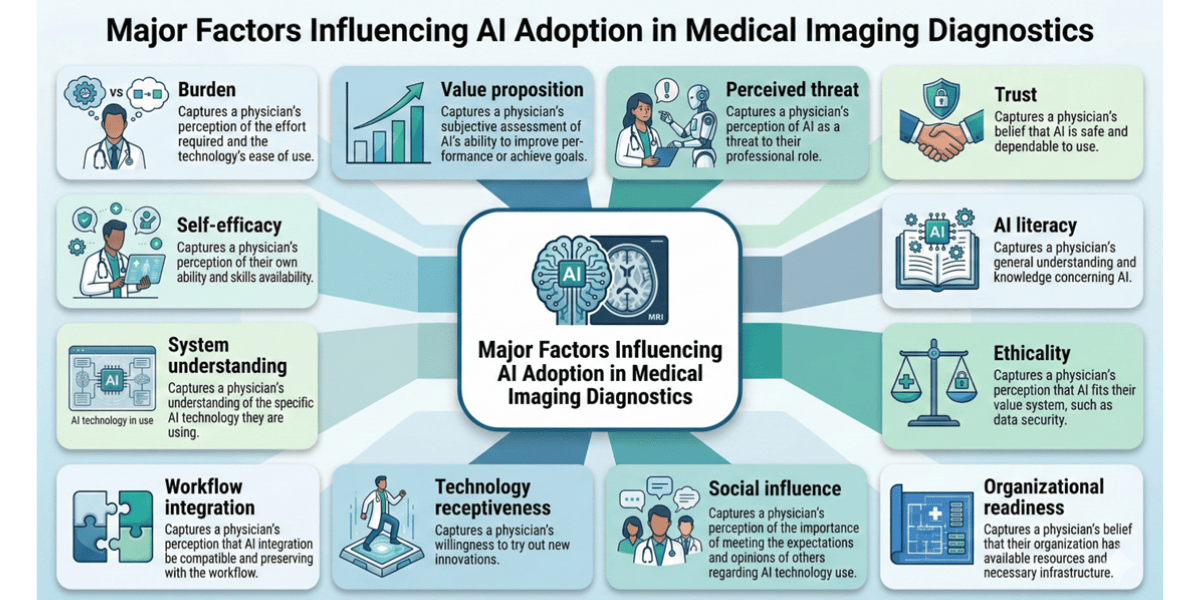
Hendrik Ohlms: Important factors include data protection, data security, and avoiding bias in algorithms. It is essential to ensure that AI models are used ethically and transparently.
Dario Antweiler: The use of AI entails a variety of risks. It must be ensured that AI acts without discrimination and does not structurally and unjustifiably disadvantage anyone. Additionally, clinical staff and patients must be aware at all times if and how AI is involved in a decision-making process. The results of AI must be understandable and transparent. Finally, the AI must operate securely, robustly, and in compliance with data protection regulations.
How will AI affect the labor market?
Andrea Schmidt-Rumposch: Healthcare professionals are urgently needed. They have the final decision in the use of AI applications; meaningful human control cannot be overlooked. Especially in times of high workload and staff shortages, the support from AI applications will become indispensable.
Hendrik Ohlms: AI will automate some administrative tasks but will also create new jobs. Overall, health professionals will be able to spend more time on direct patient interaction and care.
Dario Antweiler: AI will first create entirely new jobs, such as machine learning engineers, prompt engineers, and healthcare data scientists. Additionally, the job profiles of many existing roles will evolve, requiring staff to interact more with intelligent software and undergo further training. In data-driven fields like radiology and pathology, the combination of human expertise and AI will become standard.
What new skills will health professionals need to use AI effectively?
Andrea Schmidt-Rumposch: Healthcare professionals must have the necessary skills to critically evaluate health data and AI recommendations. A cross-disciplinary concept for acquiring these skills and forums for mutual exchange are essential. AI technologies will only achieve significant improvements in process management and, ultimately, in the quality of care if the perspectives of those directly involved in patient care are heard. Healthcare professionals must therefore be actively involved in development processes, not just implementation, in the interest of patients, process improvement, and staff job satisfaction.
Hendrik Ohlms: In the future, healthcare professionals will need to develop skills in handling AI technologies, such as critical thinking when using AI-based decision support tools and technical understanding of the systems in use.
Dario Antweiler: In the future, clinical staff will need to interact much more with software and AI. This will require skills like data literacy, information security, critical analysis of AI results, and communication between humans and machines. Another important topic is conveying AI results appropriately to patients. (See our publication “Job Profiles and Qualification Requirements for Hospital Staff in the Context of AI-Based Applications” https://doi.org/10.1007/s00103-023-03817-x)