
VITREA Clinic Hattingen - Rehabilitation Center for Neurology, Neurosurgery, and Neuropediatrics
A leading role in digital transformation
Robotics as an integral part of therapeutic practice
The VITREA Clinic Hattingen demonstrates how robotics-assisted systems can be successfully integrated into neurological rehabilitation.
The adoption of new technologies is an integral part of the clinic’s organizational culture. Several systems have already been successfully integrated into clinical practice. New technological solutions are not viewed as a risk, but are embraced with openness and curiosity.
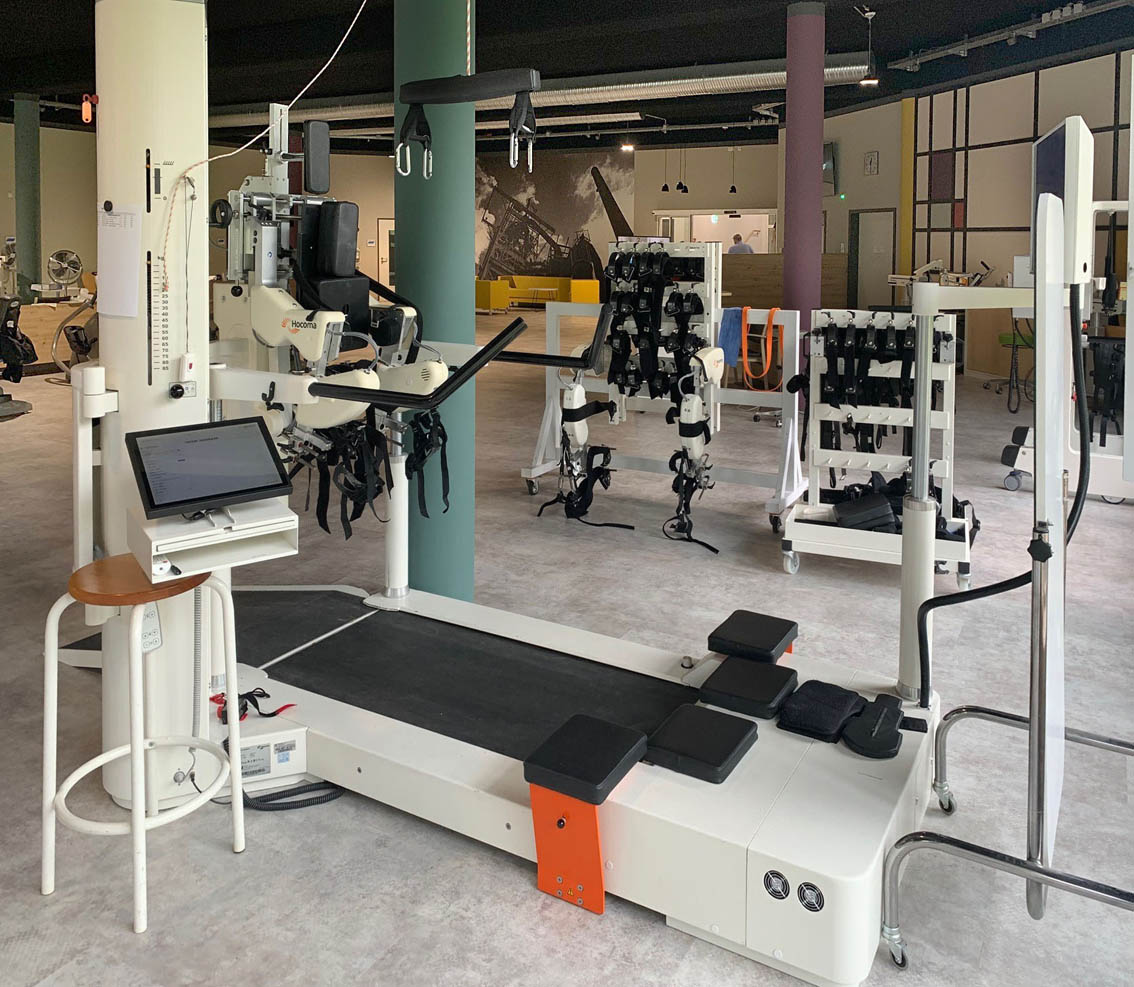
A key factor in this success is continuous learning. Knowledge sharing takes place both within formal structures, such as regular meetings, and informally during everyday therapeutic practice. An open training room allows multiple professionals to work with the robotics-assisted systems simultaneously and support one another.
Key Takeaway
An open organizational culture and ongoing communication promote the sustainable integration of new technologies into daily practice.
The technology
Robotics-based training systems
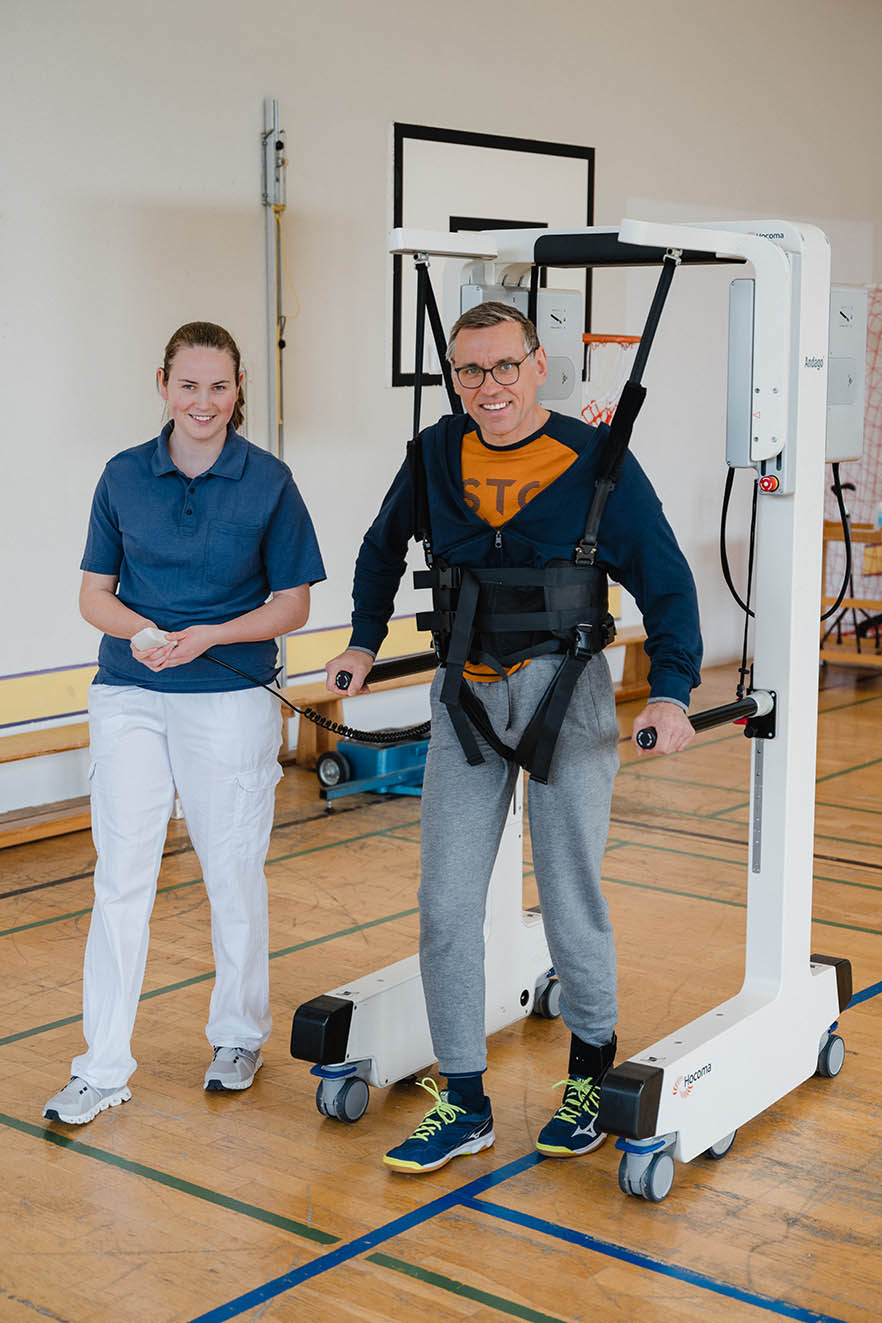
The clinic uses various robotics-assisted training systems in its therapy programs. These include systems for helping patients stand up and move around from a lying position, robotics-assisted systems to support gait training, and treadmill systems that incorporate visual and game-based elements to guide the training process.
The devices are used as part of neurological rehabilitation and are continuously supervised by qualified therapists during training.
About the Pioneer
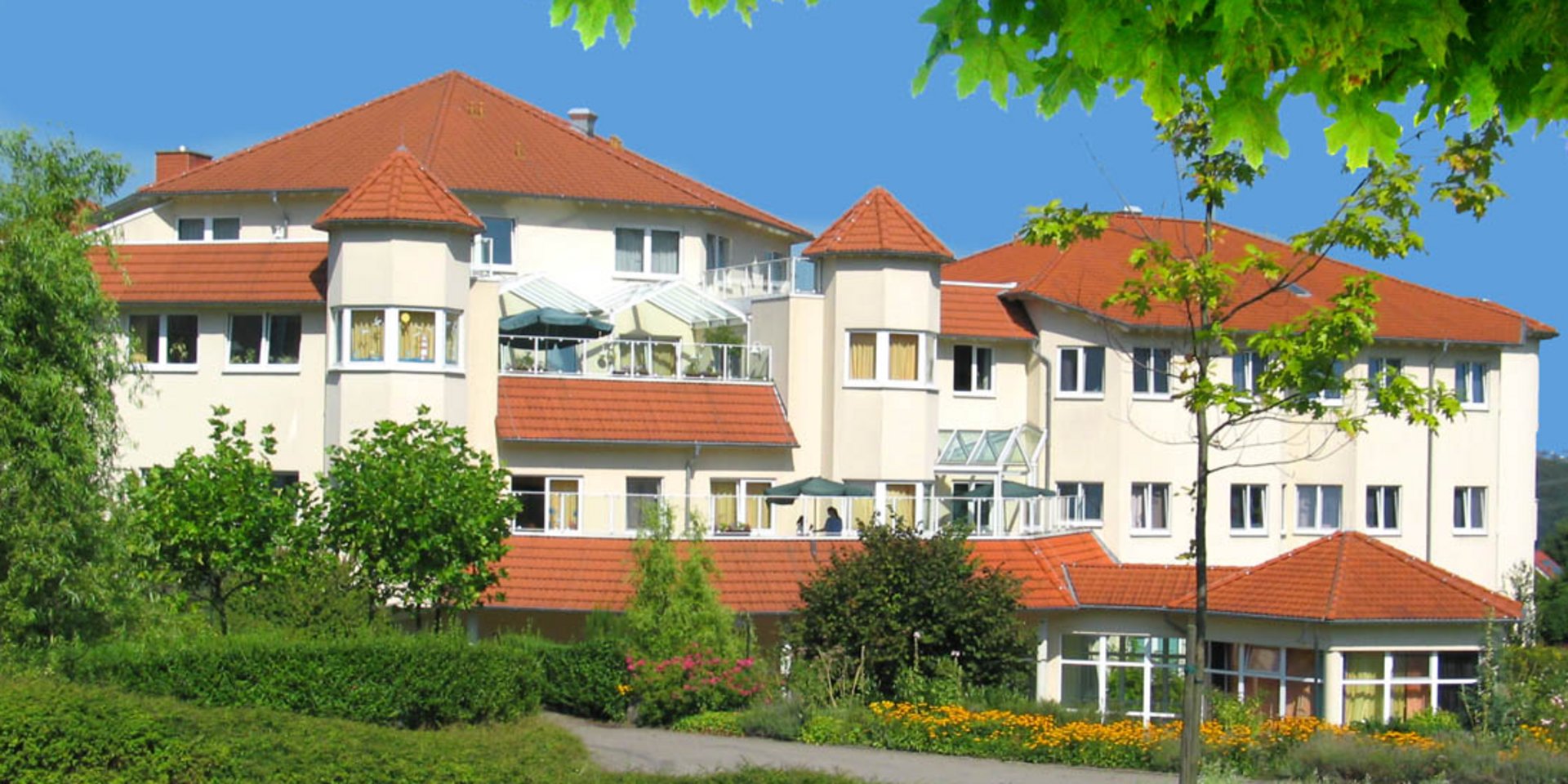
VITREA Clinic Hattingen
The VITREA Clinic in Hattingen is a specialized rehabilitation center for neurology, neurosurgery, and neuropediatrics. The clinic offers comprehensive rehabilitation services ranging from early rehabilitation to advanced rehabilitation.
The facility has 270 beds for adults, children, and adolescents. In addition, parent-child apartments are available in the children’s wing. Around 2,000 patients receive inpatient treatment each year.
An interdisciplinary team of physicians, nursing staff, and therapists from the fields of physical therapy, occupational therapy, speech therapy, psychology, sports therapy, art therapy, music therapy, and therapeutic pedagogy works closely together to ensure comprehensive neurological rehabilitation. Additional departments, such as social services, care staff, and a clinic school, complement the therapeutic services.
Contact person
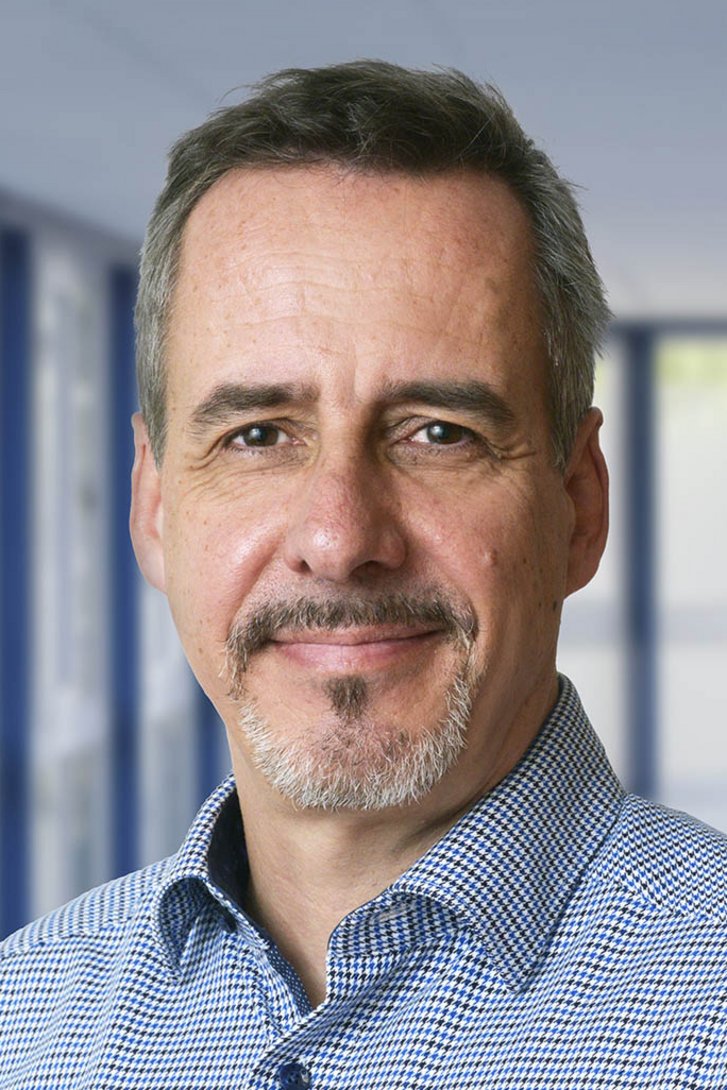
Michael Klein
Therapy Management and Treatment Planning
Contact
E-Mail:
atlas-itg@uni-wh.deInnovation in Healthcare
Alfred-Herrhausen-Straße 50
58448 Witten, Germany