

St. Elisabeth Hospital, Iserlohn
A Leading Role in Digital Transformation
A shared vision is implemented with determination and in a spirit of partnership
The licensed use of drones for routine specimen transport is a first in the German healthcare system. At the time of implementation, there was no established model that the stakeholders could use as a guide. As a result, the implementation of routine flights was fraught with considerable uncertainty. Numerous technical, regulatory, and organizational issues had to be resolved for the first time during the course of the project. The foundation for successful implementation was a shared vision among the participating stakeholders, as well as a shared conviction that the technology could create significant added value for clinical processes and environmental sustainability. At the same time, the project required a high degree of flexibility and mutual understanding to address new challenges in a situational and collaborative manner. Through this collaborative partnership among various stakeholders from healthcare, laboratory diagnostics, and logistics, routine operations for the transport of laboratory samples and blood products via drones were established for the first time in North Rhine-Westphalia.
Key Takeaway
The project illustrates how a shared vision can fundamentally transform established logistics structures in the healthcare sector.
The Technology
Drone-based sample transport
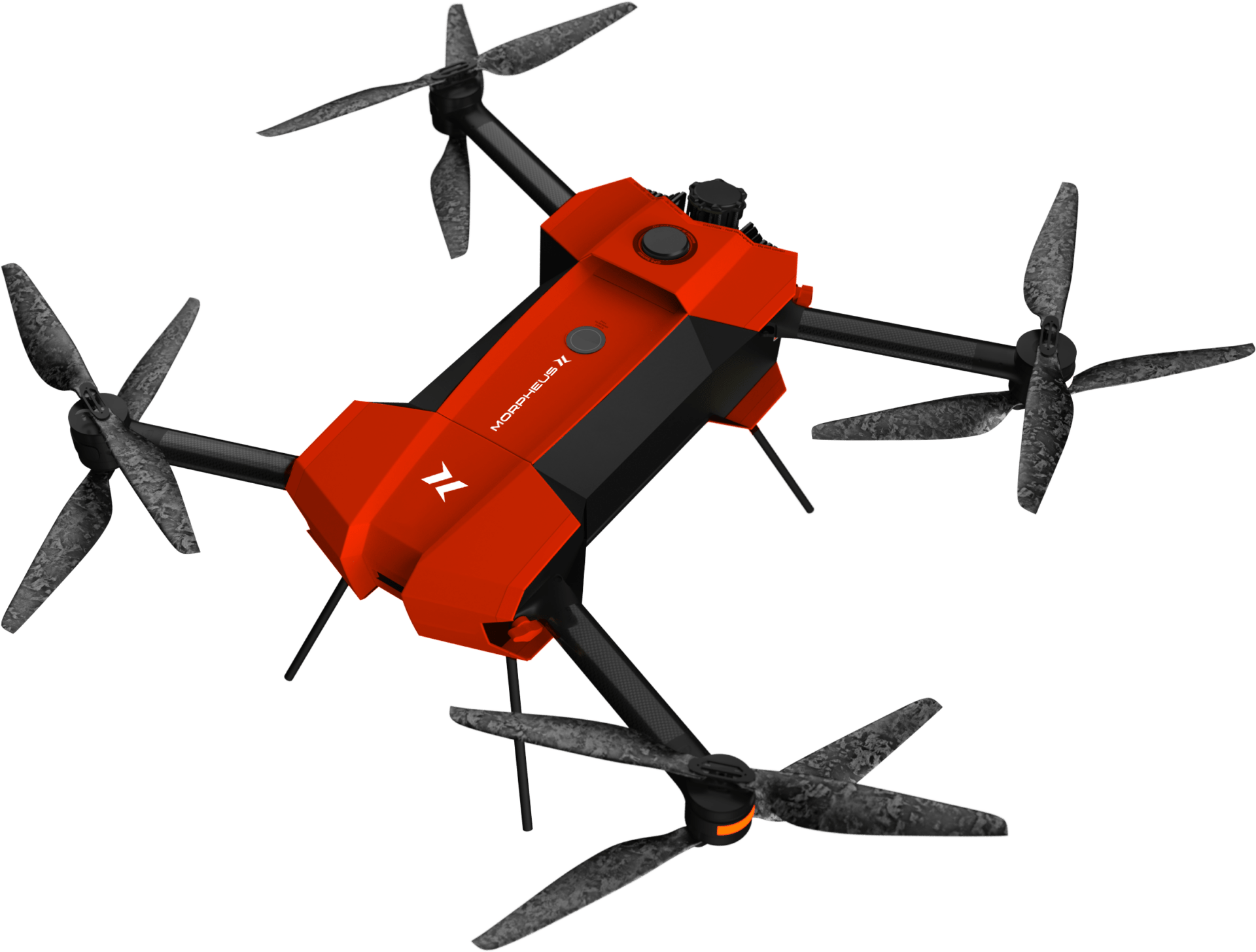
In everyday clinical practice, laboratory samples must be transported quickly and reliably from the hospital to the lab. Before switching to drone transport, samples often arrived at the lab at longer intervals and with a time delay. The introduction of a drone-based transport system has fundamentally changed this process. Operated and managed by the logistics company Morpheus Logistik, the drone handles transport at fixed hourly intervals, enabling more continuous processing of samples in the lab. At the same time, transport time is significantly reduced, as the drone reaches its destination within minutes and can operate independently of traffic conditions or congestion. As a result, lab results are available more quickly, which supports timely medical decision-making. Furthermore, the drone can also take off immediately in emergencies, for example to transport urgently needed blood supplies.
About the Pioneer
St. Elisabeth-Hospital
The Catholic Hospitals in the Märkischer Kreis operate several hospitals, nursing facilities, and a medical care center in the western Sauerland region. Among the main locations is St. Elisabeth Hospital in Iserlohn. Laboratory analysis plays a central role in medical care, as it forms the basis for numerous diagnostic and therapeutic decisions. Like the majority of hospitals, the Catholic Hospitals in the Märkischer Kreis have their samples analyzed by an external laboratory. The analysis is performed at the GeLaMed laboratory in Iserlohn. The facility is part of the internationally active Eurofins Group, which offers a wide range of medical analyses at multiple locations. Morpheus Logistik, as the central logistics partner, is responsible for the operational implementation of drone-based transport as well as the technical and regulatory management of flight operations.
Hospital Data
- ~ 25.000 Patients
- ~ 200 Beds
- ~ 420 Employees

Contact Person

Dipl.-Pflegew. Thomas Mende
Director of Nursing
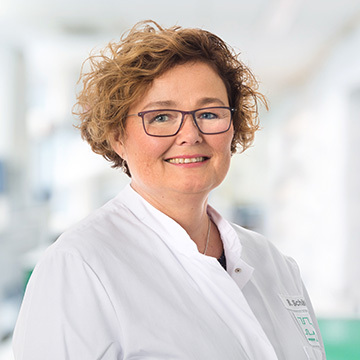
Barbara Schäfer
Operation Leader GeLaMed

Norman Koerschulte
Chief Executive Officer (CEO)
Contact
E-Mail:
atlas-itg@uni-wh.deInnovation in Healthcare
Alfred-Herrhausen-Straße 50
58448 Witten, Germany