

North Rhine-Westphalia's VR Hub
Virtual reality in the healthcare sector in North Rhine-Westphalia
Virtual reality (VR) has enormous potential in the healthcare sector and is setting new standards in therapy, training and patient care. North Rhine-Westphalia, a region with strong innovation and research networks, offers ideal conditions for the development and realisation of innovative VR solutions that will have a lasting impact on the sector.
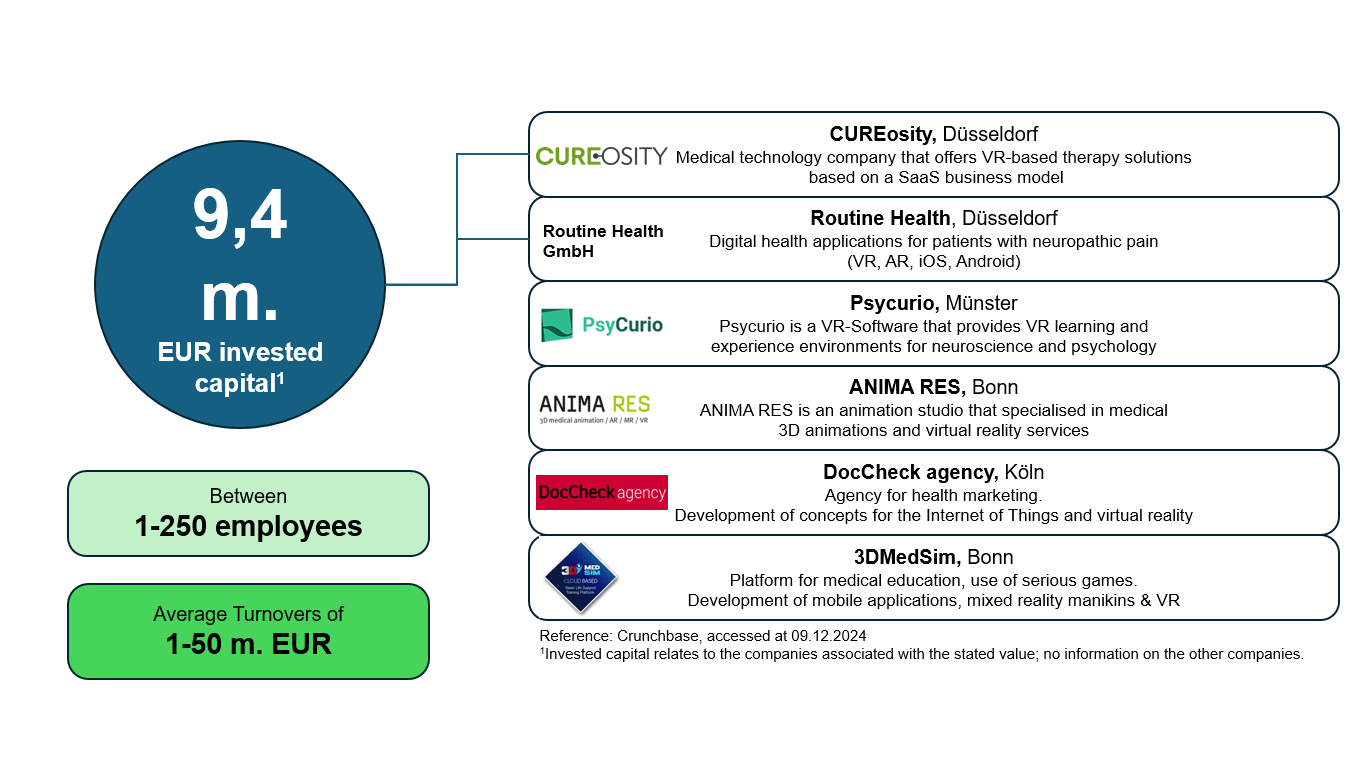
One outstanding example of the use of VR in healthcare is the ‘Pingunautentrainer’ training app developed by the University Hospital Essen, Germany. This app helps children to overcome their fear of MRI examinations, significantly reducing the use of tranquillizers. VR is also changing the training of healthcare professionals: At the Johanniter Academy in North Rhine-Westphalia, immersive VR training is being used successfully for resuscitation exercises and leadership courses, among other things. VR is also achieving remarkable results in therapy. The Düsseldorf-based company CUREosity GmbH develops innovative solutions for the rehabilitation of stroke patients that not only deliver strong clinical results, but also relieve the burden on medical professionals.
On this platform, experts from North Rhine-Westphalia share their insights into the opportunities, challenges and the future outlook of VR in the healthcare sector. Learn firsthand about the innovative developments being driven in the region and how they are shaping the future of medical education and therapy.
Healthcare VR development companies in North Rhine-Westphalia
Articles & Interviews
Tackling Mental Illness with VR
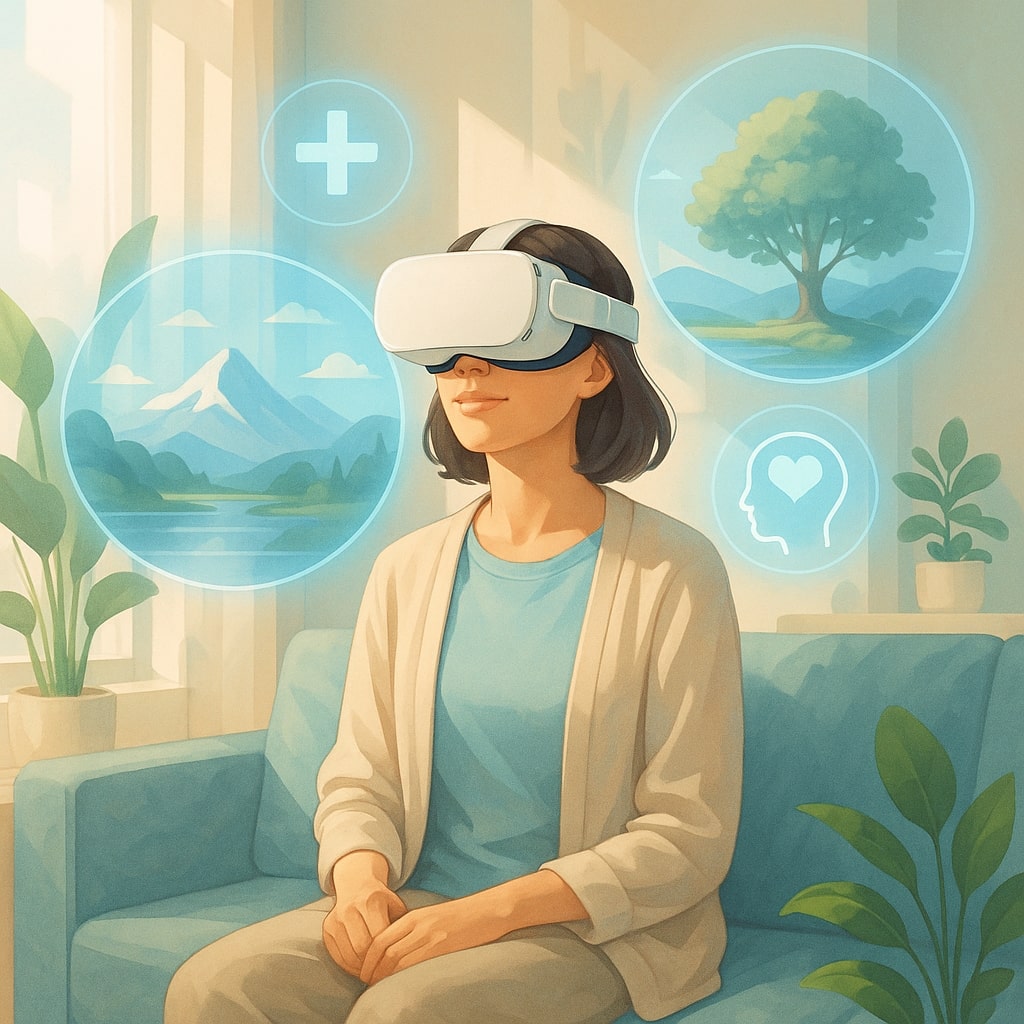
The use of virtual reality (VR) in mental health care opens up new dimensions in diagnostics, therapy and prevention. As an immersive technology, VR makes it possible to create computer-generated environments in which patients can have realistic experiences – in a controlled, safe and therapeutically targeted manner. VR is proving to be a promising tool for supporting traditional therapy methods, particularly for mental illnesses such as anxiety disorders, post-traumatic stress disorder (PTSD), depression and specific phobias. VR therapy offers a high degree of individualisation and adaptability. It allows therapists to simulate specific triggers or anxiety-inducing situations in a targeted manner and work through them together with patients – a central component of behavioural exposure therapy. We spoke to three experts for the Virtual Reality Technology Hub to explore the opportunities and challenges of treating mental illness.
Training future health professionals in virtual worlds
The training of healthcare professionals is facing increasing challenges. The need for hands-on experience, access to realistic training environments, and safe preparation for complex medical situations are critical to effective training. In this context, Virtual Reality (VR) offers a transformative solution to healthcare training that complements and enhances traditional methods. The technology opens up new horizons in medical education and makes a significant contribution to improving healthcare by preparing a new generation of professionals. Three VR experts share their expectations, experiences and forecasts for the use of VR in healthcare education.
Contact
E-Mail:
atlas-itg@uni-wh.deInnovation in Healthcare
Alfred-Herrhausen-Straße 50
58448 Witten, Germany