
Department of General, Visceral, and Transplant Surgery at the University Hospital of Münster
A Leading Role in Digital Transformation
Focus on patients and employees – Digitalization as an enabler
The Department of General, Visceral, and Transplant Surgery specifically uses robot-assisted surgery as part of a holistic care approach. The focus is on the entire patient journey: Minimally invasive, robot-assisted surgical procedures, structured preparation, and evidence-based measures in patient care pathways support the fastest and safest possible recovery after surgery.
At the same time, great importance is placed on employee engagement. The Department is committed to the Magnet Model and continues to develop interprofessional collaboration and professional diversity. New technologies are introduced early on and in a structured manner through training and continuing education, enabling teams to work with them confidently and competently. Initiatives such as “Power of the First Name,” in which all team members in the operating room are clearly identifiable and can be addressed directly, also promote communication on an equal footing, strengthen teamwork, and thus contribute directly to patient safety.
Key Takeaway
This example demonstrates how digital technologies can be integrated into a patient- and employee-centered care model, and how actively involving employees helps to successfully design new processes.
The Technology
Robot-assisted surgery
The da Vinci® Surgical System from Intuitive enables a highly precise form of minimally invasive surgery in which the surgeon controls the instruments from a control console. High-resolution, three-dimensional, and highly magnified images provide a detailed view of the finest tissue structures, while the instruments replicate the natural movements of the hand without tremor. This enables surgical procedures to be performed with great precision and helps better preserve delicate nerve and tissue structures. For patients, this results in, among other things, less blood loss, less pain and fewer complications, smaller scars, as well as faster recovery and a shorter hospital stay.
About the Pioneer
About the Department of General, Visceral, and Transplant Surgery
The University Hospital of Münster is a tertiary care hospital operated by the state of North Rhine-Westphalia. The Department of General, Visceral, and Transplant Surgery provides comprehensive care across the entire spectrum of modern abdominal surgery. A particular focus is placed on the surgical treatment of oncological diseases of the abdominal organs, the transplantation of abdominal organs, and the use of innovative robotic and minimally invasive surgical procedures. As one of the largest transplant centers in Germany, the clinic is also among the few facilities in Europe where all abdominal organs—liver, kidney, pancreas, and small intestine—are transplanted.
Data from the UKM
- Beds: 1.513
- Employees: 12.500
- Inpatient cases: 52.000
- Outpatient visits: 535.000.
Contact Person
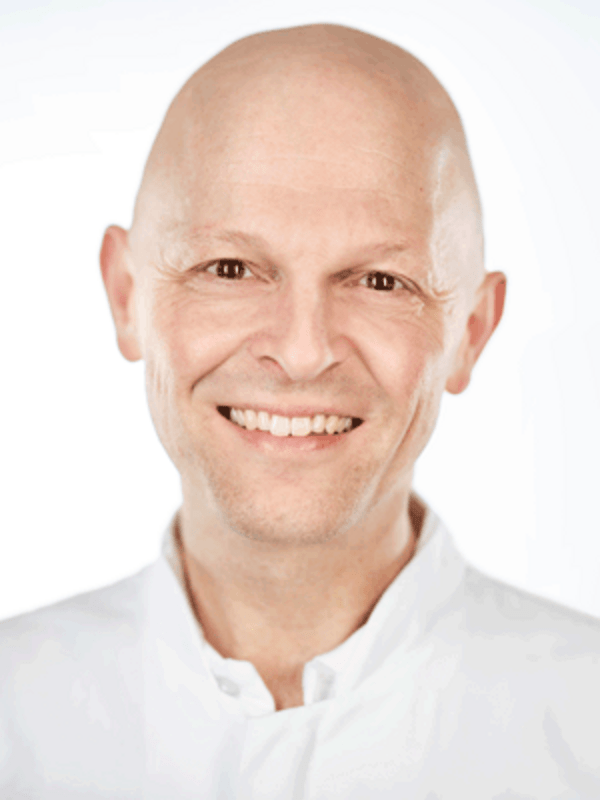
Univ.-Prof. Dr. med. Andreas Pascher, MBA
Director of the Department of General, Visceral, and Transplant Surgery
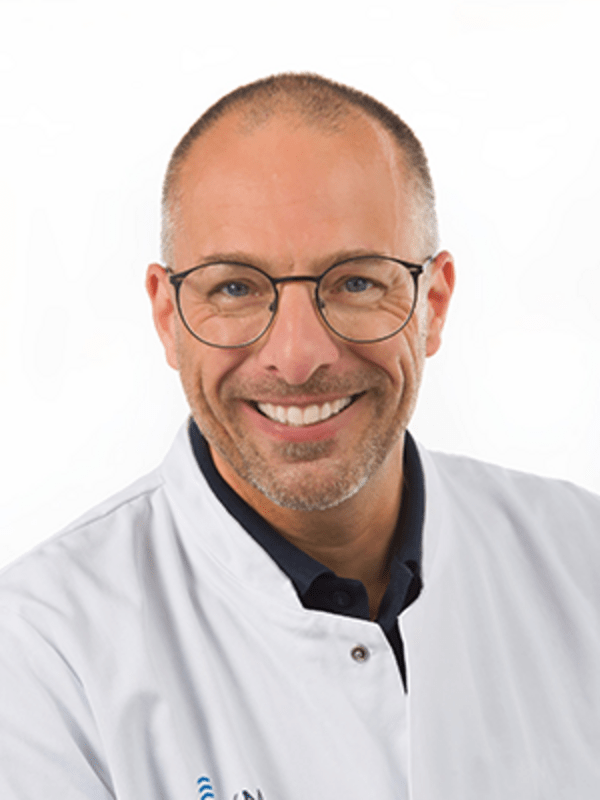
PD Dr. med. Jens Peter Hölzen
Deputy Hospital Director; Head of the Esophageal and Gastric Surgery Division; Head of the Robotics Center
Contact
E-Mail:
atlas-itg@uni-wh.deInnovation in Healthcare
Alfred-Herrhausen-Straße 50
58448 Witten, Germany