

Department of General and Visceral Surgery at the Alfried Krupp Hospital in Essen

A Leading Role in Digital Transformation
Evolution, Not Disruption – The Controlled Introduction of New Technologies as a Key to Success
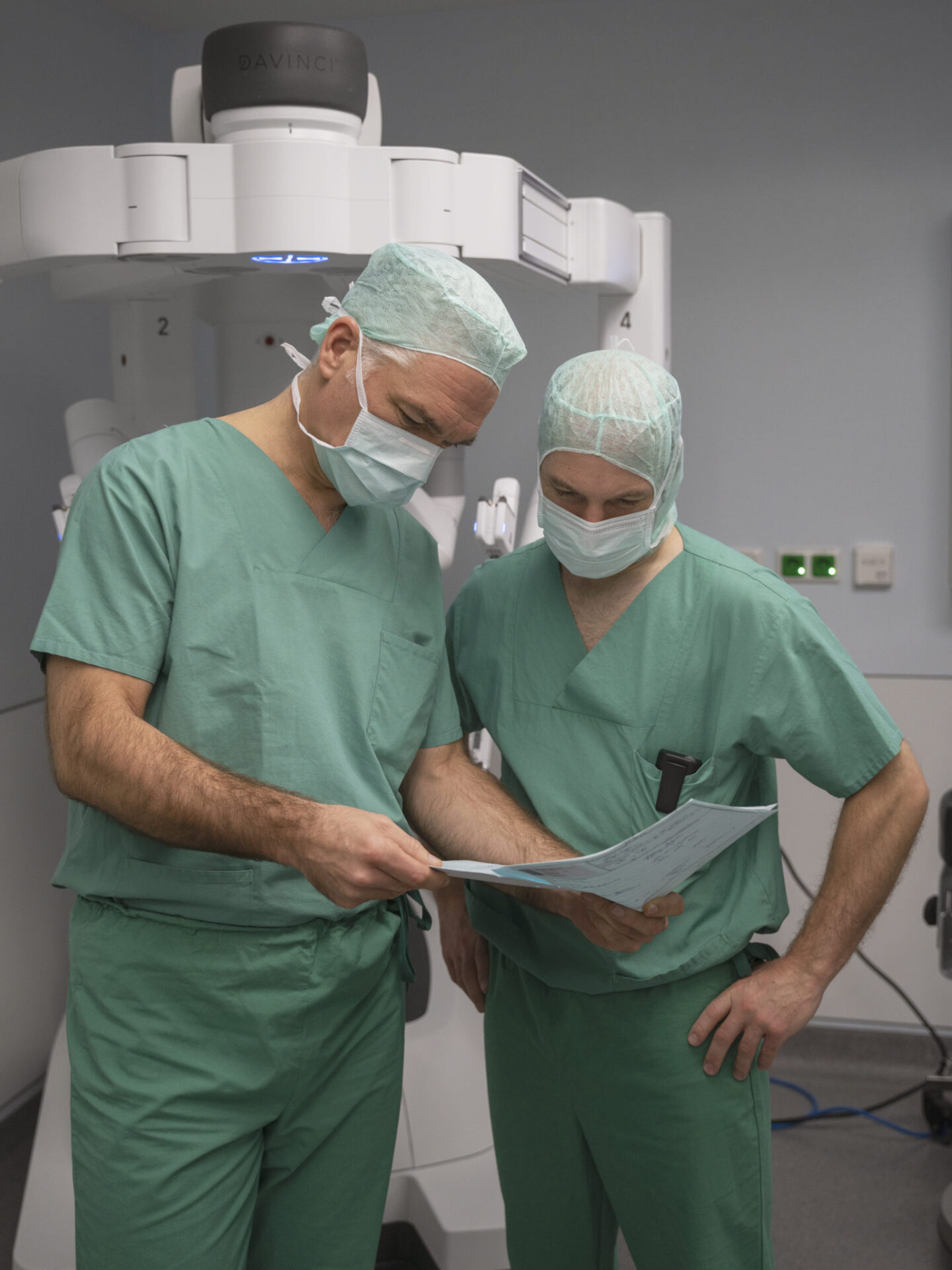
Robot-assisted surgery was introduced at the clinic as early as 2015, making it one of the first to be established in the field of visceral surgery. Rather than a sudden shift, however, its integration into daily clinical practice is taking place gradually and in a controlled manner. Initially, a small number of experienced surgeons work intensively with the technology and, as specialized users, develop comprehensive routine. Subsequently, knowledge is gradually passed on through training sessions and joint surgeries.
This approach follows the principle of evolutionary innovation: new technologies are systematically integrated into existing workflows and continuously refined. This results in stable processes that ensure both patient safety and the quality of surgical care. At the same time, this approach fosters acceptance among the entire surgical team. Anesthesiologists, nursing staff, and resident physicians are involved in new working methods at an early stage and can adapt to the changed procedures together with the surgeons.
Key Takeaway
The gradual introduction of new technologies can help ensure that innovations are seamlessly integrated into existing workflows and increase their acceptance in everyday clinical practice.
The Technology
Robot-assisted surgery
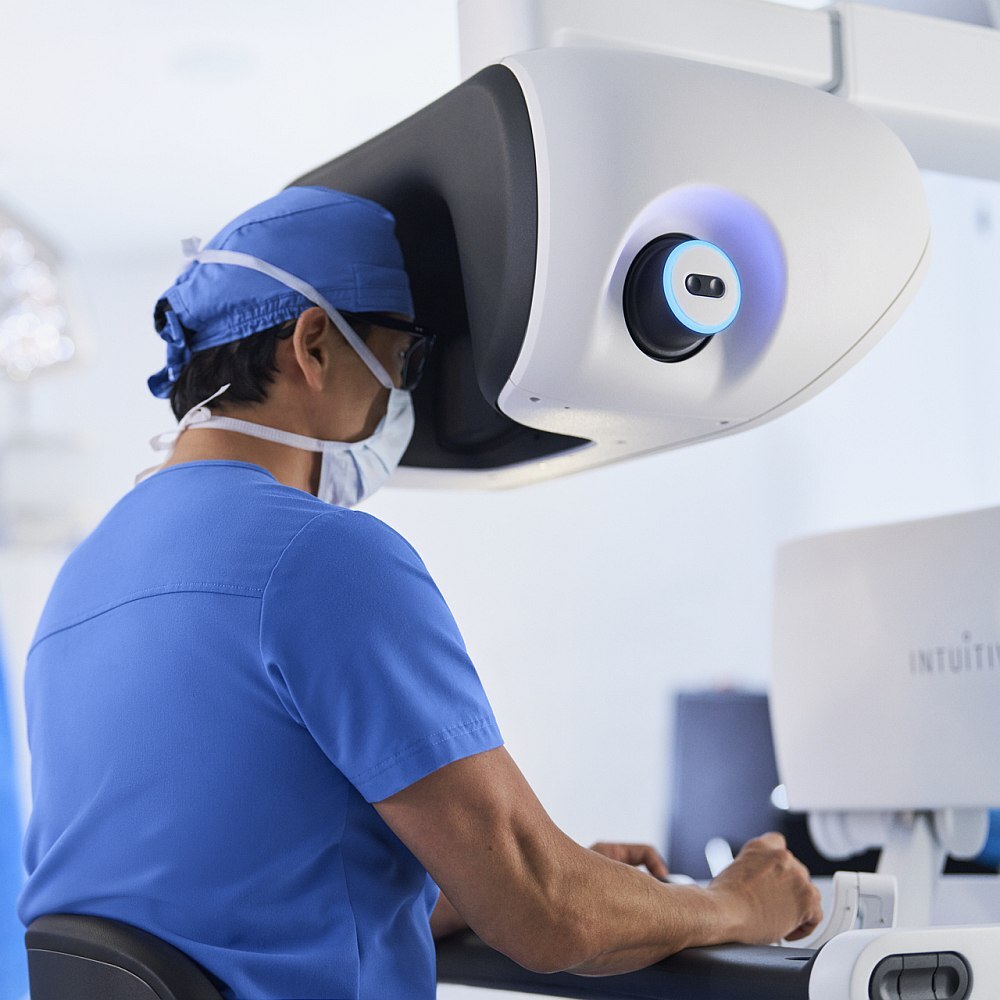
The da Vinci® Surgical System from Intuitive enables a highly precise form of minimally invasive surgery in which the surgeon controls the instruments from a control console. High-resolution, three-dimensional, and highly magnified images provide a detailed view of the finest tissue structures, while the instruments replicate the natural movements of the hand without tremor. This enables surgical procedures to be performed with great precision and helps better preserve delicate nerve and tissue structures. For patients, this results in, among other things, less blood loss, less pain and fewer complications, smaller scars, as well as faster recovery and a shorter hospital stay.
About the Pioneer
The Department of General and Visceral Surgery
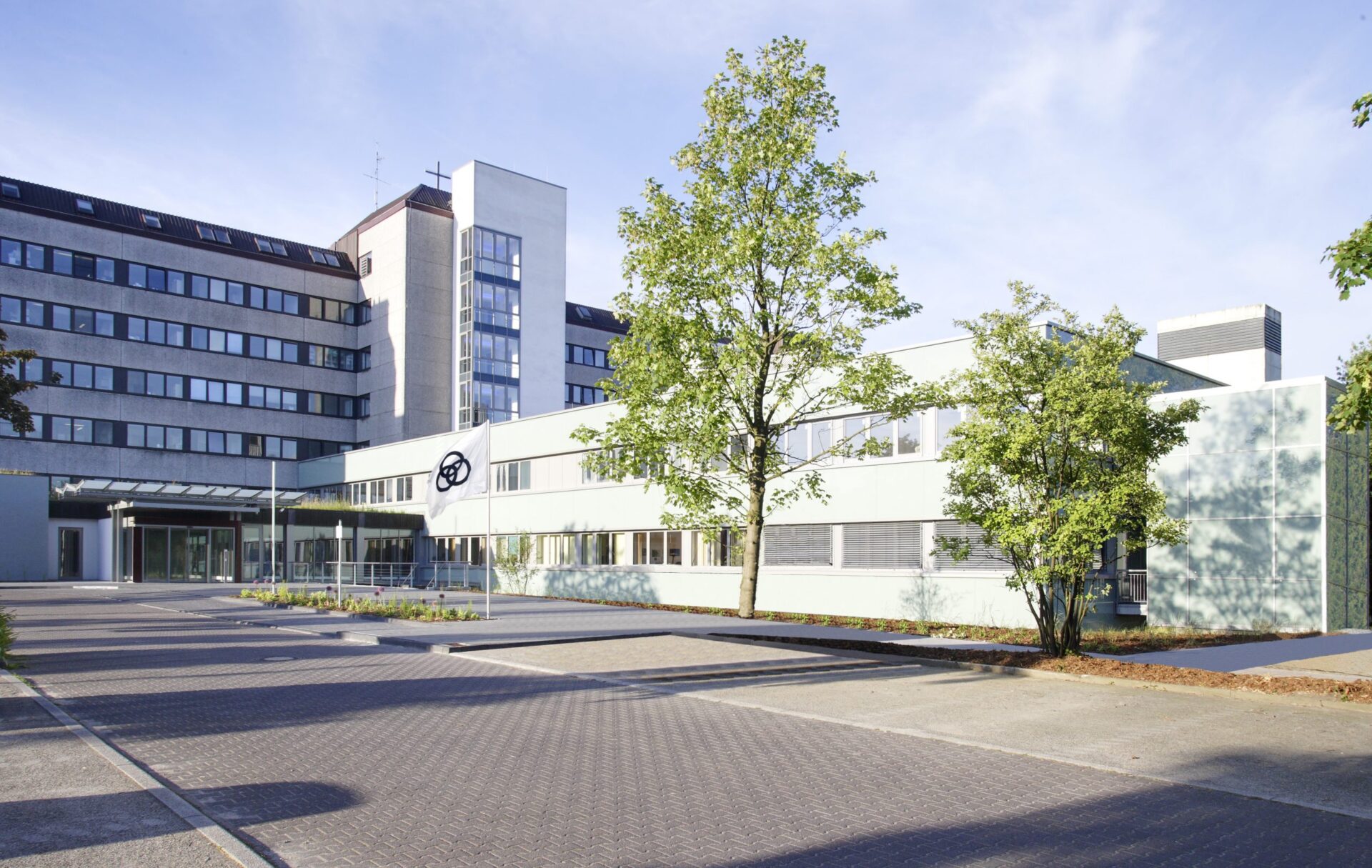
The Alfried Krupp Hospital in Essen is a large foundation-run hospital with two locations in Essen. As part of the Alfried Krupp von Bohlen und Halbach Foundation, the hospital covers a wide range of modern medical specialties and operates numerous specialized clinics.
The Department of General and Visceral Surgery is one of the hospital’s key surgical units and treats conditions affecting the entire digestive tract, the liver, and the pancreas, as well as complex tumors of the abdominal organs. Another key focus is bariatric surgery. In addition to traditional procedures, the department has increasingly relied on minimally invasive surgical methods for many years and is among the early adopters of robot-assisted surgery in Germany.
Hospital data
- ~ 900 Beds
- > 2400 Employees
- > 40.000 Inpatients p.a.
- > 120.000 Outpatients p.a
Contact Person

Johannes Schimmele
Senior Attending Physician, Board-Certified Surgeon in General Surgery, Board-Certified Surgeon in Visceral Surgery
Contact
E-Mail:
atlas-itg@uni-wh.deInnovation in Healthcare
Alfred-Herrhausen-Straße 50
58448 Witten, Germany