

Global Digi-Health Monitor: Calendar Week 2, 2025
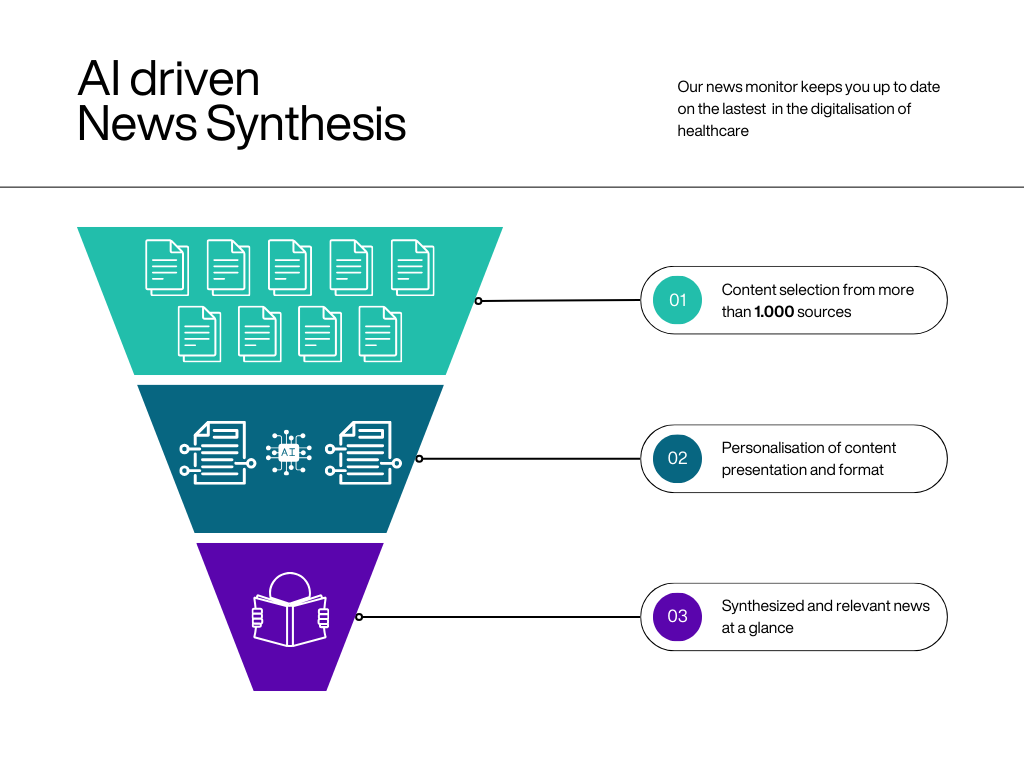
AIArtificial Intelligence (AI) implies the attempt to transfer human learning and thinking to computers. Computer systems are intended to solve problems—for which a human would require intelligence—using large datasets. In the field of radiology, for example, artificial intelligence can assist physicians in diagnosing findings and detecting abnormali… Explained in the video. Accelerates Drug Development: Genesis Therapeutics, Exscientia, Insilico Medicine, and Iambic Therapeutics Are Using Specialized AIArtificial Intelligence (AI) implies the attempt to transfer human learning and thinking to computers. Computer systems are intended to solve problems—for which a human would require intelligence—using large datasets. In the field of radiology, for example, artificial intelligence can assist physicians in diagnosing findings and detecting abnormali… Explained in the video. Platforms to Revolutionize Drug Discovery
Companies like Genesis Therapeutics, Exscientia, Insilico Medicine, and Iambic Therapeutics are using specialized AIArtificial Intelligence (AI) implies the attempt to transfer human learning and thinking to computers. Computer systems are intended to solve problems—for which a human would require intelligence—using large datasets. In the field of radiology, for example, artificial intelligence can assist physicians in diagnosing findings and detecting abnormali… Explained in the video. platforms to revolutionize drug discovery through customized chemistry approaches, generative AI,Artificial Intelligence (AI) implies the attempt to transfer human learning and thinking to computers. Computer systems are intended to solve problems—for which a human would require intelligence—using large datasets. In the field of radiology, for example, artificial intelligence can assist physicians in diagnosing findings and detecting abnormali… Explained in the video. and multimodal transformers. These tools have led to faster development times (some reaching clinical trials in 24 months), improved target selection, and more efficient drug optimization processes.
AIArtificial Intelligence (AI) implies the attempt to transfer human learning and thinking to computers. Computer systems are intended to solve problems—for which a human would require intelligence—using large datasets. In the field of radiology, for example, artificial intelligence can assist physicians in diagnosing findings and detecting abnormali… Explained in the video. Note-Taking at UChicago Medicine
UChicago Medicine implemented Abridge AIArtificial Intelligence (AI) implies the attempt to transfer human learning and thinking to computers. Computer systems are intended to solve problems—for which a human would require intelligence—using large datasets. In the field of radiology, for example, artificial intelligence can assist physicians in diagnosing findings and detecting abnormali… Explained in the video. for ambient clinical documentation across 550+ clinicians, allowing doctors to focus more on patient interaction vs. typing notes. The HIPAA-compliant system records and transcribes doctor-patient conversations, requires physician review/approval, shows improved patient satisfaction, and is opt-in for patients.
Healthcare Executives Forecast AIArtificial Intelligence (AI) implies the attempt to transfer human learning and thinking to computers. Computer systems are intended to solve problems—for which a human would require intelligence—using large datasets. In the field of radiology, for example, artificial intelligence can assist physicians in diagnosing findings and detecting abnormali… Explained in the video. in 2025
Industry leaders predict AI’s healthcare impact will expand through multimodal capabilities (text, images, audio), improved diagnostic imaging, and administrative automation, though clinical adoption faces skepticism due to trust issues and workflow integration challenges. While some see AIArtificial Intelligence (AI) implies the attempt to transfer human learning and thinking to computers. Computer systems are intended to solve problems—for which a human would require intelligence—using large datasets. In the field of radiology, for example, artificial intelligence can assist physicians in diagnosing findings and detecting abnormali… Explained in the video. revolutionizing areas like drug development and burnout reduction, others expect its primary role to remain in administrative tasks.
NHS App 2.0: How Digital Upgrades Aim to Slash Waiting Lists
The UK government plans to upgrade the NHS App by March 2025 to reduce waiting times for elective care. The improvements will allow patients to manage appointments, choose providers, and access test results digitally. A key goal is to reduce the eight million missed appointments recorded in 2023/2024 by providing more flexibility and control for patients. The app will also support booking diagnostics at nearby Community Diagnostic Centres, including those in non-traditional healthcare settings like shopping malls. By 2025, over 85% of acute trusts are expected to offer appointment access through the app.
Remote Patient Monitoring to Enhance CHF and GLP-1 Care in 2025
Oren Nissim, CEO and cofounder of Brook Health, anticipates that in 2025, remote patient monitoring (RPM) will evolve into an intelligent early warning system for congestive heart failure (CHF). By integrating real-time physiological data with AI-driven pattern recognition, RPM can detect subtle signs of deterioration days before serious symptoms emerge, enabling proactive management and reducing emergency department burdens. Additionally, as the use of GLP-1 medications for diabetes and weight loss increases, RPM will facilitate precise medication management, monitoring adherence, side effects, and impacts across multiple conditions. This integration aims to optimize dosing, manage side effects, and ensure patients achieve maximum benefit from these treatments
Contact
E-Mail:
atlas-itg@uni-wh.deInnovation in Healthcare
Alfred-Herrhausen-Straße 50
58448 Witten, Germany